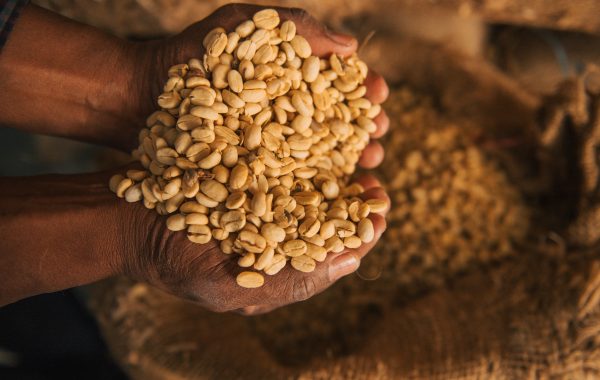
A coffee cherry consists of several layers, each playing a role in the coffee’s flavor development. The skin (exocarp) serves as the outer protective layer. Beneath it is the pulp (mesocarp), a watery and sugary layer that contributes to the coffee’s sweetness. Inside, the mucilage is a sticky, honey-like layer that adds complexity to the flavor. The parchment is a hull that protects the beans, which turns papery as it dries. Beneath that lies the silverskin, an innermost layer surrounding the beans. Finally, the bean is the seed of the cherry, which is roasted and ground to create the coffee we enjoy.
Each coffee cherry is made up of several layers:
- Skin (Exocarp): The outermost protective layer.
- Pulp (Mesocarp): A watery, sugary layer that provides sweetness.
- Mucilage: A sticky, sweet inner layer, often called “honey.”
- Parchment: A hull that covers the coffee beans, turning papery when dried.
- Silverskin: The innermost protective layer surrounding the beans.
- Bean: The seed inside, which is roasted and ground to make coffee.