Coffee Plants: Nature’s Gift to the World
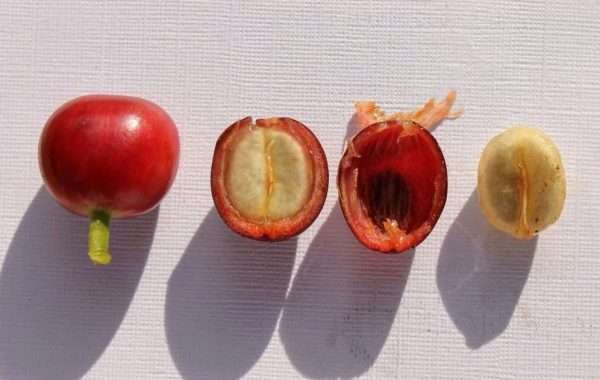
Coffee trees, which are actually evergreen shrubs, have glossy, dark green leaves that can last up to five years. These plants produce small, fragrant white flowers that bloom in clusters and only last for a few days. Once pollinated, the flowers give way to coffee cherries, which take several months to mature before harvesting.
The Two Most Important Coffee Varieties
1. Arabica Coffee (Coffea arabica)
- The most widely cultivated coffee species, accounting for about 60% of global production.
- Known for its smooth, mild flavor with hints of sweetness and fruitiness.
- Grown at high altitudes, making it more susceptible to disease but prized for its quality.
2. Robusta Coffee (Coffea canephora)
- Stronger, more bitter, and highly caffeinated compared to Arabica.
- Used in instant coffee, espresso, and as a filler in blends.
- More resistant to disease and easier to cultivate, making up 40% of global coffee production.
The Journey of Coffee: From Farm to Cup
Ethiopia is home to some of the world’s finest coffee, grown in regions like Sidamo, Yirgacheffe, and Harrar. These areas offer distinct flavors due to their unique climate and soil conditions. Once harvested, coffee undergoes processing methods like natural drying, honey processing, and anaerobic fermentation before being exported to coffee lovers worldwide.
By understanding the rich history and science behind coffee, we can appreciate every cup even more!